
Trade policy
Thailand’s trade policies support economic growth and international business development. The country works to strengthen its position in the global market through modern trade strategies and business-friendly regulations.
Thailand actively participates in Free Trade Agreements to improve international trade opportunities. In addition, tariff reductions help businesses reduce costs and increase export activities.
The government also offers export incentives and investment support for local and foreign companies. These policies encourage international investors to expand their operations in Thailand.
Moreover, Thailand focuses on intellectual property protection and sustainable business practices. These efforts help create a balanced and stable economic environment.
Thailand’s trade policies support free trade, foreign investment, exports, and long-term economic growth for businesses worldwide.
Free Trade Agreements (FTAs) in Thailand
Thailand has actively pursued Free Trade Agreements (FTAs) to enhance its economic competitiveness and integration into the global economy. These agreements aim to reduce trade barriers, including tariffs and non-tariff measures, and promote trade liberalization with partner countries.
Key FTAs Thailand is Part of

Benefits of FTAs for Thailand
Tariff Reduction: FTAs enable Thailand to reduce or eliminate tariffs on exports to partner countries, making Thai products more competitive in international markets.
Market Access: FTAs provide enhanced market access for Thai goods and services in partner countries, opening up new opportunities for trade and investment.
Trade Diversification: By expanding trade relationships through FTAs, Thailand reduces reliance on traditional markets and diversifies its export destinations.
Attracting Foreign Investment: FTAs can make Thailand a more attractive destination for foreign investment by offering preferential access to partner markets.
Challenges and Considerations
Safeguarding Sensitive Sectors: While FTAs offer benefits, Thailand must carefully manage sensitive sectors such as agriculture and automotive industries to minimize negative impacts on domestic producers.
Compliance with FTA Requirements: Thailand must ensure compliance with the rules and regulations stipulated in FTAs to fully leverage the benefits of trade agreements.
Support for SMEs: Small and medium-sized enterprises (SMEs) may require support and capacity-building initiatives to take full advantage of the opportunities created by FTAs
Economy
Thailand has experienced steady economic growth in recent years. Government policies continue to support foreign investment and business innovation across multiple industries.
The country has created a business-friendly environment that attracts international companies and investors. As a result, many global businesses operate successfully in Thailand.
Although Thailand has faced challenges such as political instability and natural disasters, the economy has remained strong and adaptable. The country continues to play an important role in the ASEAN region and global economy.
Moreover, Thailand benefits from a strategic location, modern infrastructure, and a skilled workforce. These advantages increase its appeal for international trade and investment.
In addition, Thailand focuses on technology, innovation, and sustainable development. These efforts continue to strengthen the country’s long-term economic growth and global influence.


Export
These are some of the major export sectors that drive Thailand’s economy, with figures and percentages highlighting their significant contributions to the country’s global trade competitiveness.
Import
Imports in Thailand are a critical component of the nation’s economic ecosystem, serving to complement domestic production and fulfill the diverse consumption needs of its populace. Ranging from raw materials and intermediate goods necessary for manufacturing and industrial sectors, such as crude oil, metals, and electronic components, to capital goods and machinery essential for infrastructure development and industrial investments, Thailand’s import portfolio reflects a multifaceted reliance on external sources to bolster its domestic capabilities and drive economic growth. Moreover, the influx of consumer goods, including automobiles, electronics, apparel, and luxury items, underscores Thailand’s burgeoning middle class and evolving consumer preferences; these imports serve not only to satisfy immediate demands but also to propel the nation’s aspirations for modernization and urbanization. Furthermore, Thailand’s reliance on imported food and agricultural products, spanning grains, edible oils, dairy, and meat, demonstrates its need to supplement domestic production and cater to the varied tastes of its multicultural population.
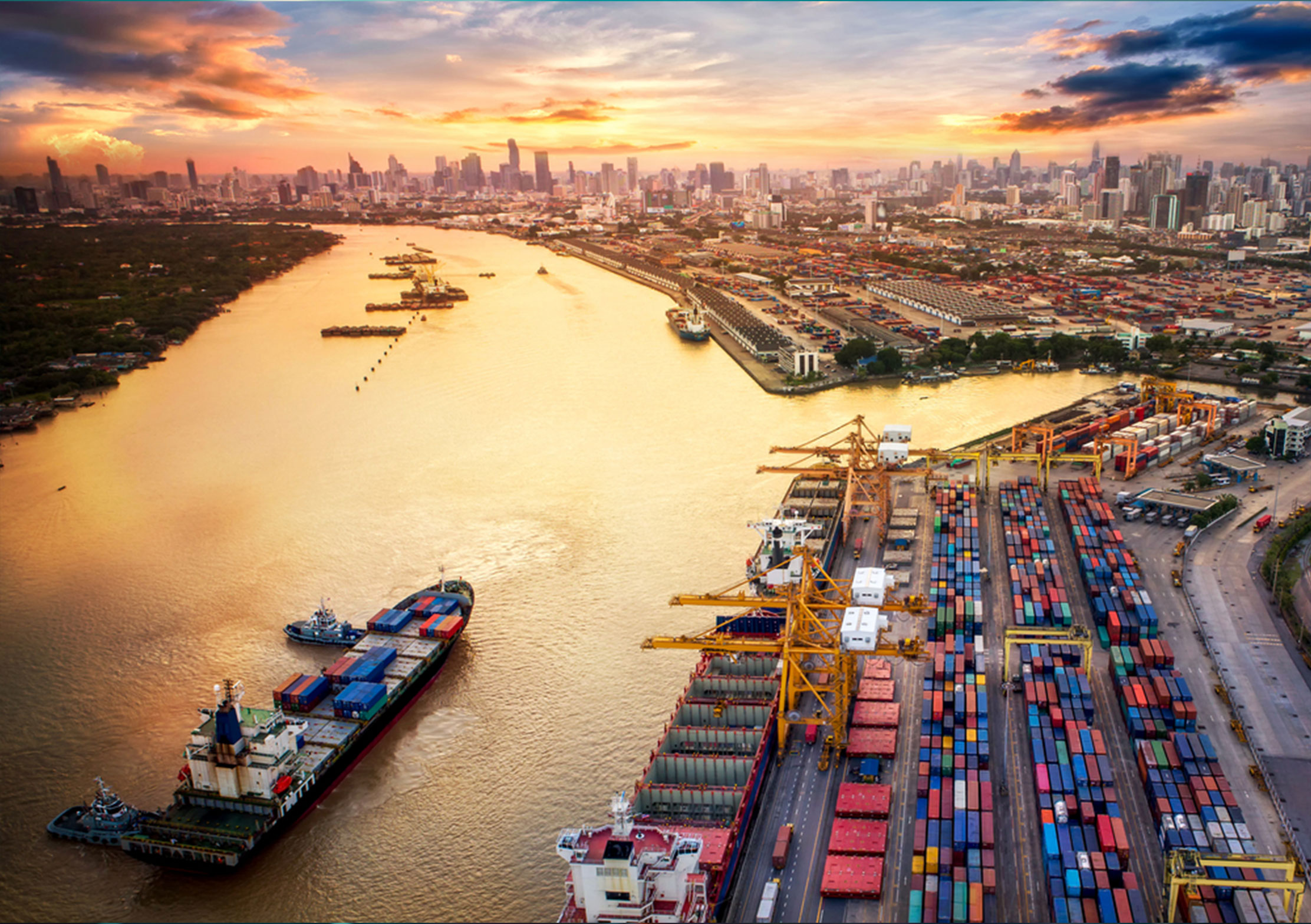
In addition, energy products, such as crude oil, petroleum, natural gas, and coal, are pivotal imports that sustain Thailand’s energy needs, underpinning transportation, industry, and power generation sectors. Services, too, contribute significantly to Thailand’s import landscape, notably tourism, transportation, logistics, and professional services, amplifying the nation’s economic vibrancy and global interconnectedness. In essence, imports serve as vital conduits through which Thailand navigates its economic trajectory, leveraging external resources and expertise to fortify its position in the global marketplace.
